

Prefab Structures in Delhi
Prefab Structures are increasingly used across Delhi where project timelines are compressed and space availability is unpredictable. Gurunanak Interiors manufactures these structures from Greater Noida and supplies across Delhi with full customization, dispatch coordination, and on site installation support where required.
For buyers managing construction sites in areas like Dwarka Expressway, industrial clusters in Bawana, or infrastructure projects across NCR corridors, the need is not just for a structure but for a deployable workspace that can be operational within days, not weeks.
If you are evaluating options, you can review the complete product scope here: Prefab Structures
What is Prefab Structures in Delhi
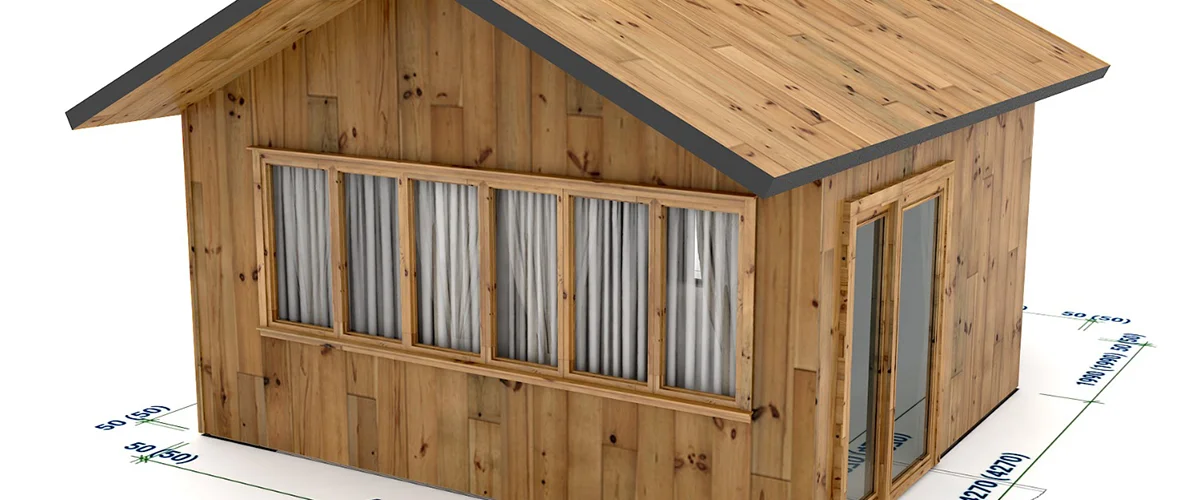
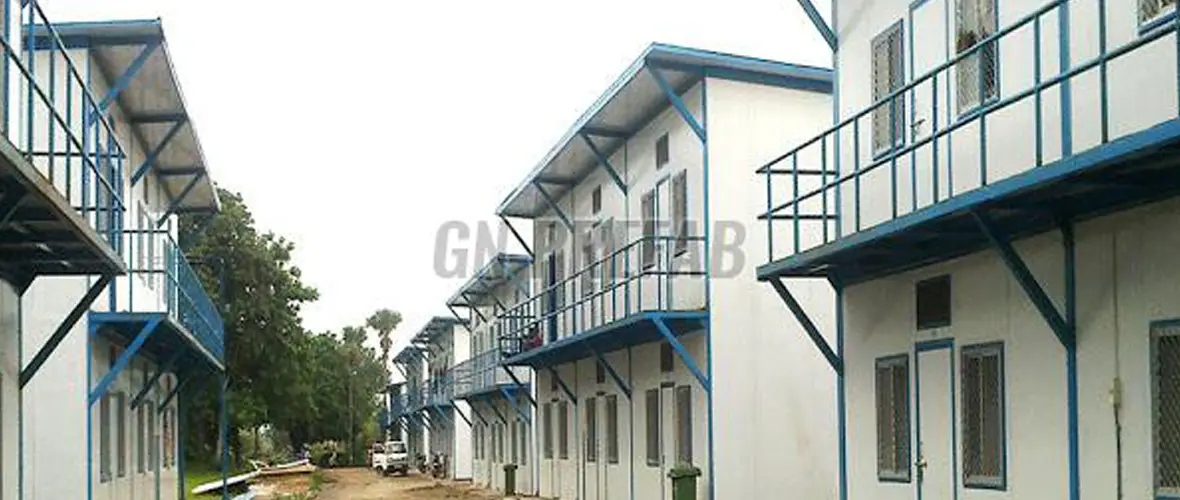
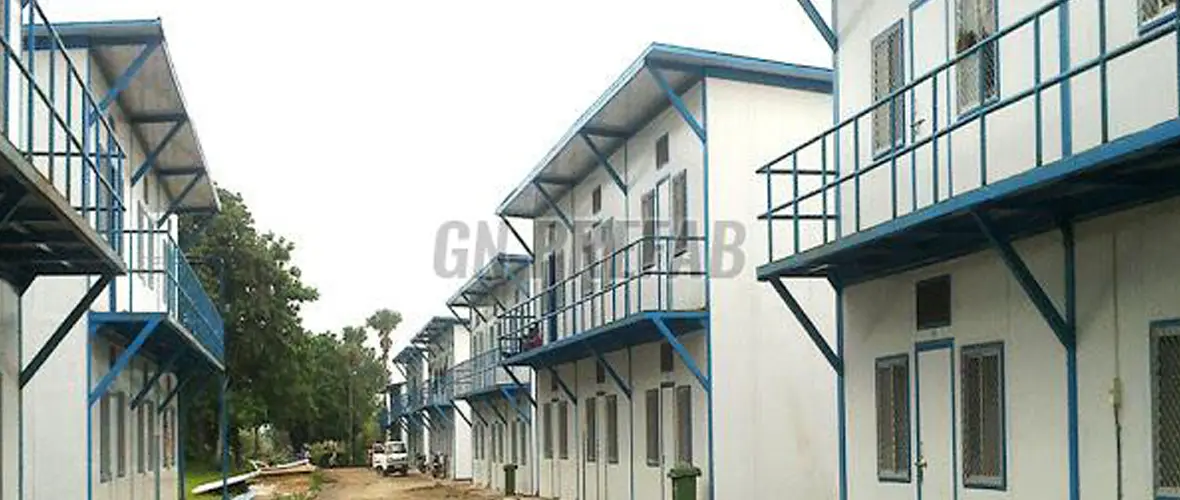
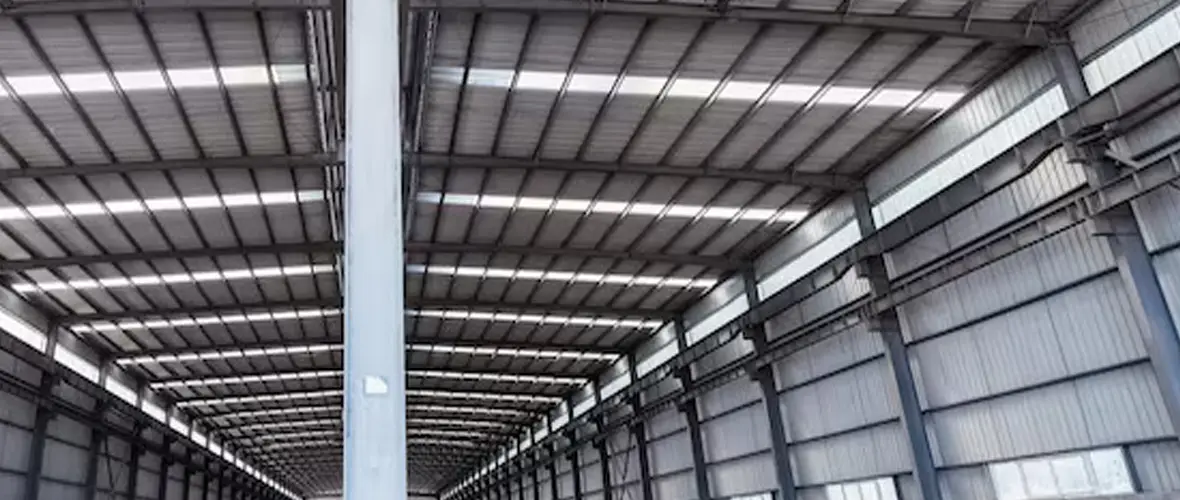
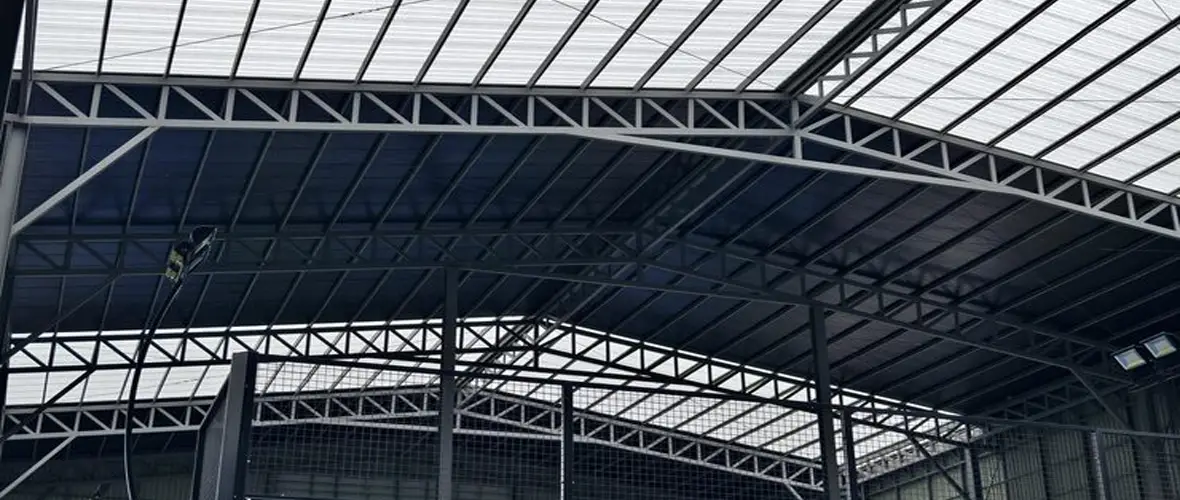
Prefab Structures are factory-built modular units designed for quick deployment at project locations across Delhi where conventional construction is either delayed due to approvals, space constraints, or time pressure.
In Delhi conditions, these structures are commonly used as:
• Site offices for metro and road projects
• Temporary administrative blocks in industrial zones
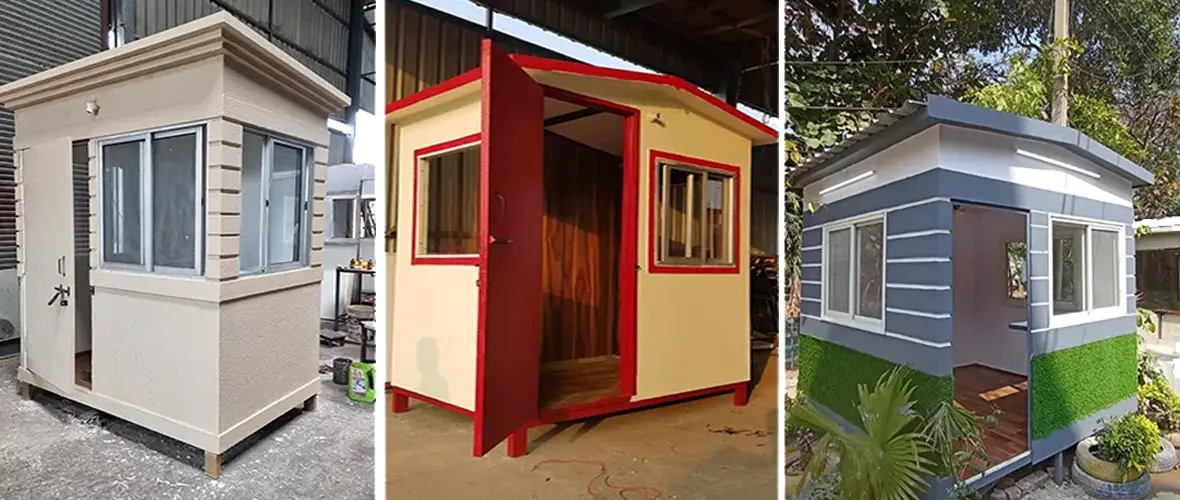
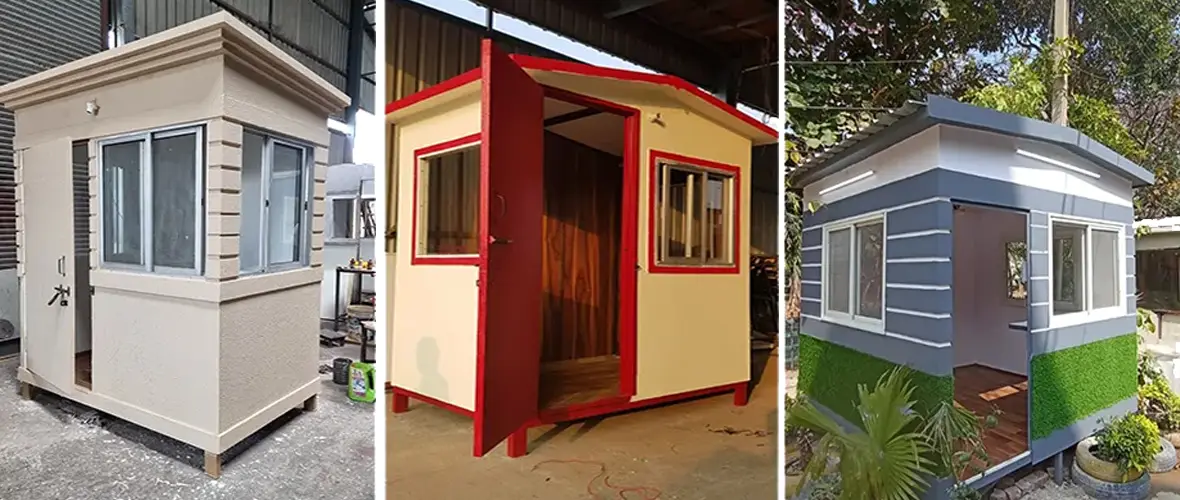
• Controlled access cabins and workforce accommodation
• Expandable office setups for short to mid term usage
The advantage here is not just speed, but predictability. Since manufacturing happens in Greater Noida, site disruption in Delhi is minimized.
Why Prefab Structures is Required in Delhi
Delhi presents a unique combination of challenges:
• Land use restrictions and regulatory approvals
• Traffic congestion impacting construction timelines
• High cost of permanent structures for temporary needs
• Multiple ongoing infrastructure and redevelopment projects
For project managers, delays in site office setup directly impact coordination, vendor management, and documentation flow.
Prefab Structures solve this by allowing:
• Parallel execution where structure is built while site is prepared
• Rapid deployment once permissions are cleared
• Relocation capability when project phases shift
This becomes critical in projects where every week of delay increases cost exposure.
Industries and Project Types in Delhi Using Prefab Structures
Demand in Delhi is not uniform. It varies based on project type and zone.
Typical usage scenarios include:
• Metro expansion and transport infrastructure projects
• Warehouse and logistics setups in outer Delhi belts
• Government redevelopment and smart city projects
• Private real estate construction sites
• Event based temporary infrastructure in exhibition grounds
In industrial areas like Narela and Okhla, prefab structures are also used as interim production support units where expansion is phased.
Portable Cabin in Delhi for Site Offices and Admin Blocks
Many buyers initially search for portable cabin in Delhi when their requirement is actually broader.
Prefab Structures differ because they allow:
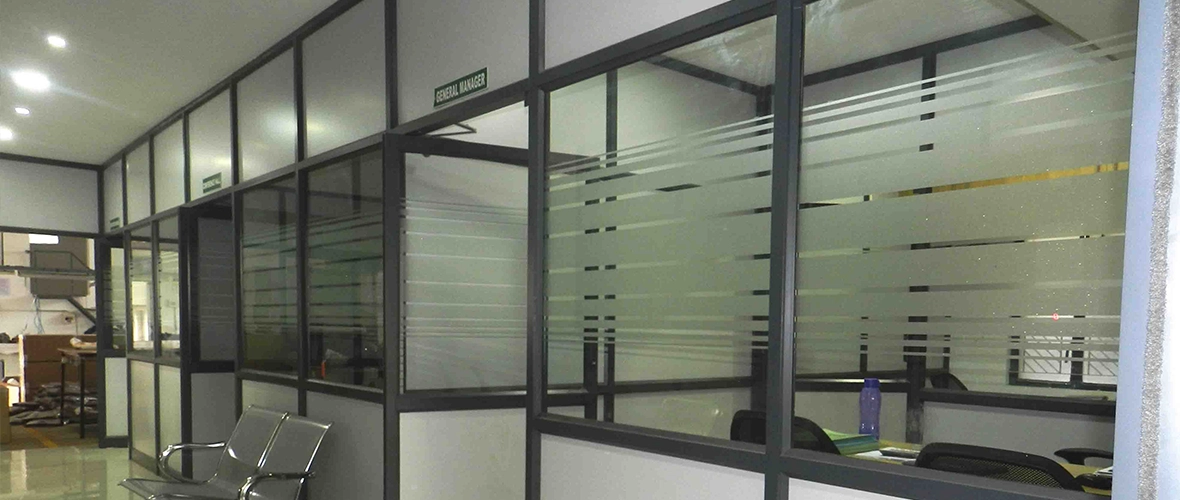
• Multi room configurations instead of single unit cabins
• Integration of meeting rooms, cabins, and utility areas
• Scalability as project size increases
For example
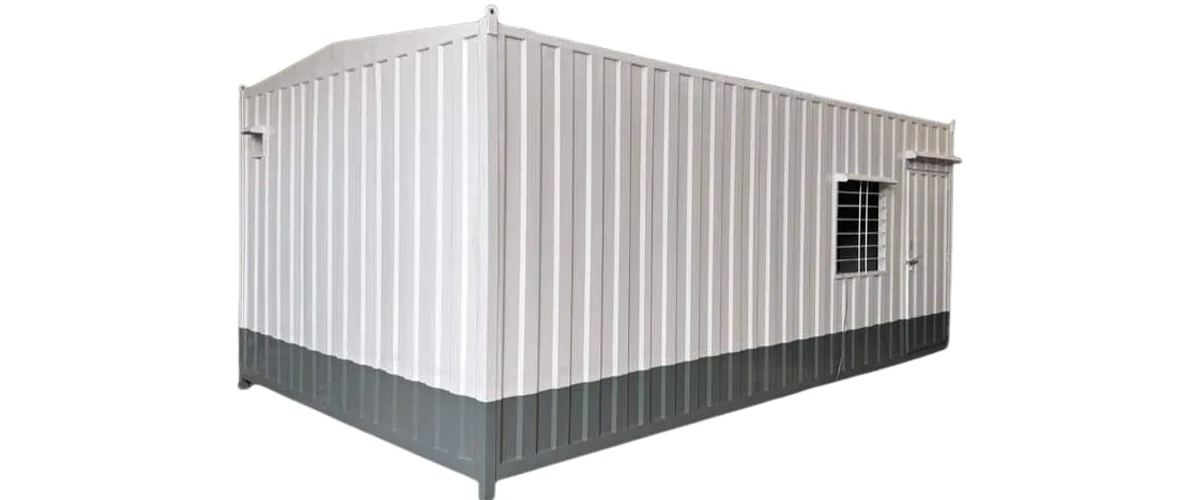
A construction company may start with a basic office container but quickly require additional rooms for engineering teams, documentation, and client meetings. Prefab Structures accommodate this transition without redesigning the entire setup.
Office Container Setup in Delhi Project Environments
Office container solutions in Delhi often face limitations:
• Restricted layout flexibility
• Limited insulation in extreme weather
• Difficulty in scaling for larger teams
Prefab Structures address these issues by enabling:
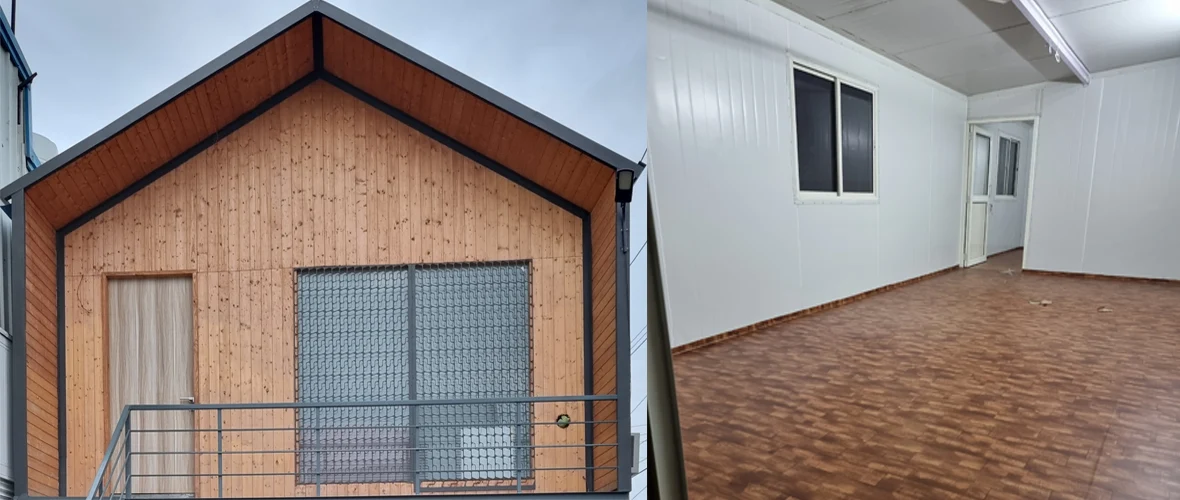
• Custom layouts based on team size and workflow
• Insulation planning for Delhi’s temperature variation
• Integration of electrical, HVAC, and interior requirements
This is particularly relevant in long duration projects where temporary becomes semi permanent.
Prefabricated Cabin Use in Delhi for Multi Purpose Deployment
Prefabricated cabin setups are widely used, but when requirements extend beyond basic cabins, prefab structures provide better control.
They are used for:
• Training rooms and induction areas at project sites
• Medical and safety units in large construction zones
• Control rooms for infrastructure monitoring
• Workforce accommodation with basic amenities
The key difference lies in adaptability. Instead of adding multiple disconnected cabins, a unified structure improves operational efficiency.
Design and Customization Options for Delhi Requirements
Each Delhi project has constraints such as access roads, space limitations, and usage duration.
Customization considerations include:
• Structure size based on available site footprint
• Internal partitioning aligned with team hierarchy
• Insulation for heat and dust conditions
• Flooring and interior finishes depending on usage
• Provision for future expansion or relocation
Design decisions at this stage directly impact usability. Poor planning leads to overcrowding, ventilation issues, and rework costs.
Supply and Installation Process in Delhi
Supply from Greater Noida to Delhi is structured to reduce downtime.
Typical flow:
• Requirement assessment and layout planning
• Manufacturing at controlled facility
• Transport scheduling based on site accessibility
• Installation and alignment at site
• Basic integration of utilities
For urgent projects, dispatch timelines are adjusted based on production availability.
Delhi specific challenges such as entry restrictions for heavy vehicles and site access windows are factored into logistics planning.
Technical and Operational Considerations
Before finalizing, buyers should evaluate:
• Load bearing requirements based on usage
• Insulation performance for seasonal variation
• Electrical load and wiring integration
• Ventilation and airflow planning
• Ease of relocation if project shifts
Ignoring these leads to operational inefficiencies after installation, which are more expensive to correct later.
How to Choose the Right Prefab Structures in Delhi
Decision should be based on project lifecycle, not just initial cost.
Ask:
• How long will the structure be used
• Will the team size increase
• Is relocation expected
• What level of interior finish is required
If the requirement is short term and static, simpler cabins may work.
If the project is evolving, involves multiple teams, or requires client interaction, prefab structures are more suitable.
Common Mistakes Buyers Make in Delhi
Frequent issues seen across projects:
• Underestimating space requirement leading to congestion
• Selecting non insulated units for long term use
• Ignoring site access constraints during design
• Choosing lowest cost option without lifecycle evaluation
These mistakes result in productivity loss and additional cost within months.
When This Product May Not Be Suitable
Prefab Structures may not be ideal if:
• Requirement is extremely short duration and minimal usage
• Site has severe space restrictions preventing installation
• Permanent construction is already approved and feasible
In such cases, simpler alternatives may be more practical.
Pricing Factors for Prefab Structures in Delhi
Pricing depends on multiple variables:
• Size and layout complexity
• Level of interior and insulation
• Transportation distance and site access
• Installation requirements
• Customization level
Instead of focusing only on upfront cost, buyers should evaluate cost over project duration.
Why Businesses Choose Gurunanak Interiors for Delhi Supply
Gurunanak Interiors operates from Greater Noida and supports projects across Delhi with a structured manufacturing and deployment approach.
Buyers prefer working with them because:
• Manufacturing control ensures consistency across units
• Experience across industries like infrastructure, pharma, and industrial projects
• Ability to handle repeat requirements across multiple project sites
• Understanding of NCR logistics and access constraints
You can review company background here: Gurunanak Interiors
Common Buyer Concerns from Delhi
Typical concerns include:
- Will delivery be delayed due to city restrictions
- Can installation be completed within tight project timelines
- Will the structure handle extreme summer heat
- Can the unit be relocated to another site
These are addressed through planning, not assumptions. Proper coordination between manufacturing, transport, and site readiness is critical.
FAQs
1. Where can I get Prefab Structures in Delhi
You can source Prefab Structures in Delhi from manufacturers like Gurunanak Interiors who supply from Greater Noida with delivery and installation support.
They handle design, production, and dispatch based on project requirements.
2. Who supplies Prefab Structures in Delhi for construction sites
Manufacturers based in NCR region supply these structures across Delhi.
Gurunanak Interiors provides customized solutions for site offices, admin blocks, and project infrastructure.
3. Can Prefab Structures be installed quickly in Delhi
Yes, Prefab Structures can be installed quickly once the site is ready.
Since units are pre built, installation mainly involves placement and utility setup.
4. Do you provide delivery and installation support in Delhi
Yes, delivery and installation support is provided in Delhi depending on project requirements.
Logistics planning considers access restrictions and site conditions.
5. Can the structure be customized for my project
Yes, structures are customized based on layout, usage, and team size.
This includes partitions, insulation, electrical planning, and interiors.
6. Can you supply urgently for project delays
Yes, urgent supply is possible based on production availability.
Priority dispatch is arranged for time sensitive project requirements.
7. What affects the cost of Prefab Structures in Delhi
Cost depends on size, customization, insulation, transport, and installation needs.
Complex layouts and higher specifications increase overall cost.
8. How to choose the right Prefab Structures
Choose based on project duration, team size, and expansion needs.
Avoid selecting purely on initial price without evaluating long term usage.
If your project in Delhi requires immediate setup or you are planning upcoming infrastructure deployment, connect with Gurunanak Interiors for a requirement assessment.
Get a response from an experienced team that understands project urgency, site constraints, and execution timelines.