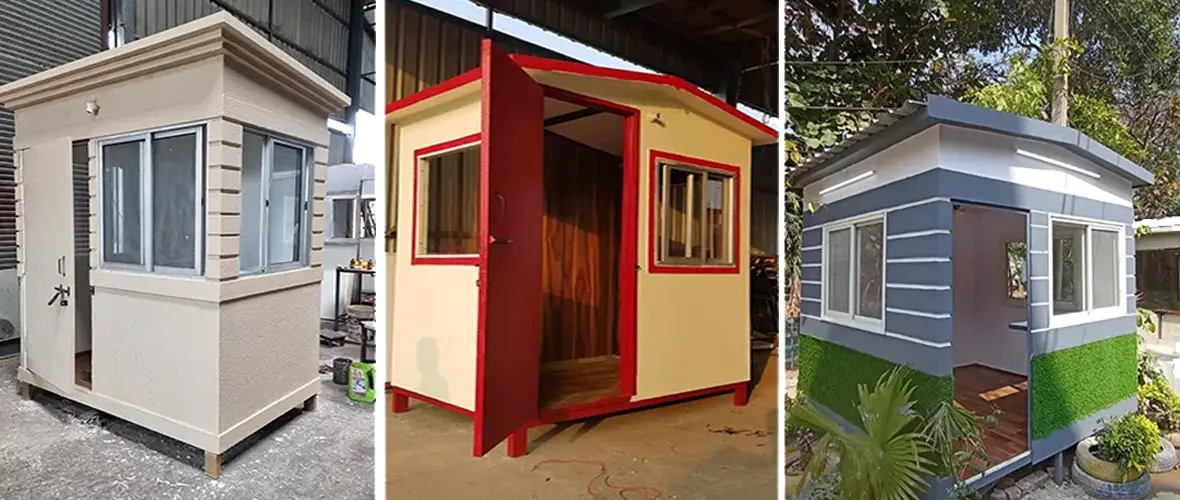

Delivery timelines depend on customization and order size, but most prefab structures are manufactured and delivered within a few weeks. Urgent requirements can often be prioritized to support project deadlines.
Prefab Structure

Prefab Structure
✔ Modular Building Solutions for Industrial and Commercial Infrastructure
✔ Custom Prefabricated Structures Designed for Project-Specific Requirements
✔ Faster Construction with Flexible Expansion Capabilities
✔ Manufactured in Greater Noida with Pan India Supply Support
Businesses today require infrastructure that can be developed quickly without compromising functionality, scalability, or operational efficiency. Traditional construction methods often involve extended timelines, multiple contractors, weather-related delays, and significant site disruption.
A Prefab Structure provides a practical alternative by using factory-manufactured components that are assembled at the project location. This approach helps reduce construction timelines while allowing organizations to develop industrial, commercial, institutional, and operational infrastructure more efficiently.
Prefab structures are widely used for warehouses, industrial facilities, project offices, workforce accommodations, commercial units, institutional buildings, storage facilities, and operational support infrastructure. Their flexibility and scalability make them suitable for both temporary and long-term applications.
Guru Nanak Porta Cabin (Formerly Known as Guru Nanak Interiors, Established in 2009) manufactures customized prefab structures from Greater Noida and supplies projects across India. Our solutions are designed to support industrial growth, infrastructure development, commercial expansion, and operational efficiency across diverse sectors.
Organizations requiring cabin-specific infrastructure may also explore our Prefabricated Cabin Solutions:
What is a Prefab Structure?
A prefab structure is a building system manufactured using prefabricated components that are produced off-site and assembled at the project location. Unlike conventional construction, a significant portion of the manufacturing process takes place in a controlled production environment before installation begins.
Prefab structures can be customized for industrial, commercial, institutional, warehousing, and project-based applications. They are often selected because they provide faster construction timelines, scalable designs, and flexible space utilization.
Prefab structures are modular building systems designed to reduce construction timelines while providing flexible infrastructure solutions for industrial, commercial, and operational applications.
Why Businesses Are Adopting Prefab Structures
The demand for prefab structures continues to grow because organizations require infrastructure that can support operational objectives without lengthy construction schedules.
Faster Construction Timelines
Factory-manufactured components allow construction activities to progress more efficiently.
Reduced Site Disruption
A large portion of production occurs before installation begins at the project location.
Scalability
Structures can often be expanded or modified according to changing operational requirements.
Cost Planning Advantages
Controlled manufacturing processes can improve project planning and budgeting.
Operational Flexibility
Prefab structures can support multiple functions across different industries.
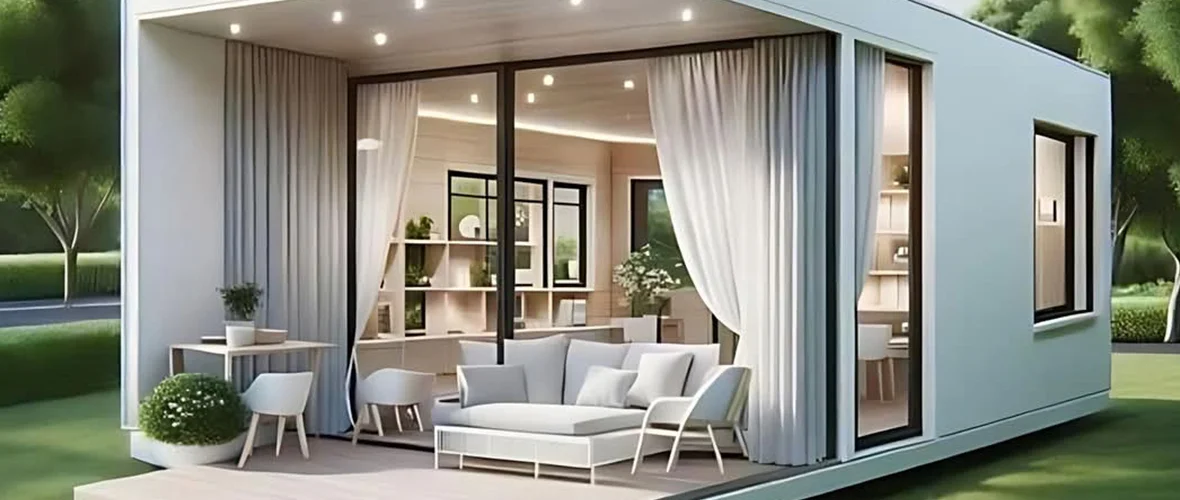
Modular Prefab Structures for Industrial and Commercial Projects
Modern businesses frequently require infrastructure that can adapt to evolving operational requirements.
Modular prefab structures provide flexibility by allowing organizations to create facilities based on current and future needs.
Common Applications
- Industrial facilities
- Commercial units
- Warehouses
- Administrative buildings
- Workforce facilities
- Institutional buildings
The modular approach allows expansion opportunities without requiring complete reconstruction.
Industrial Prefab Structures for Manufacturing and Operations
Industrial operations often require facilities that can be developed quickly while supporting production, administration, storage, and workforce management activities.
Common Industrial Uses
- Production support facilities
- Operational offices
- Workforce management areas
- Storage infrastructure
- Utility buildings
- Maintenance facilities
Industrial prefab structures help organizations establish operational infrastructure with reduced construction timelines.
Industrial prefab structures are frequently selected when businesses require scalable infrastructure that supports manufacturing operations, logistics activities, workforce management, and facility expansion.
Commercial Prefab Structures for Business Expansion
Commercial organizations increasingly use prefab structures because they offer flexibility and speed compared to many conventional construction approaches.
Suitable Commercial Applications
- Sales offices
- Commercial units
- Business centers
- Temporary operational facilities
- Customer support centers
- Administrative buildings
Commercial prefab structures allow businesses to expand infrastructure while maintaining operational continuity.
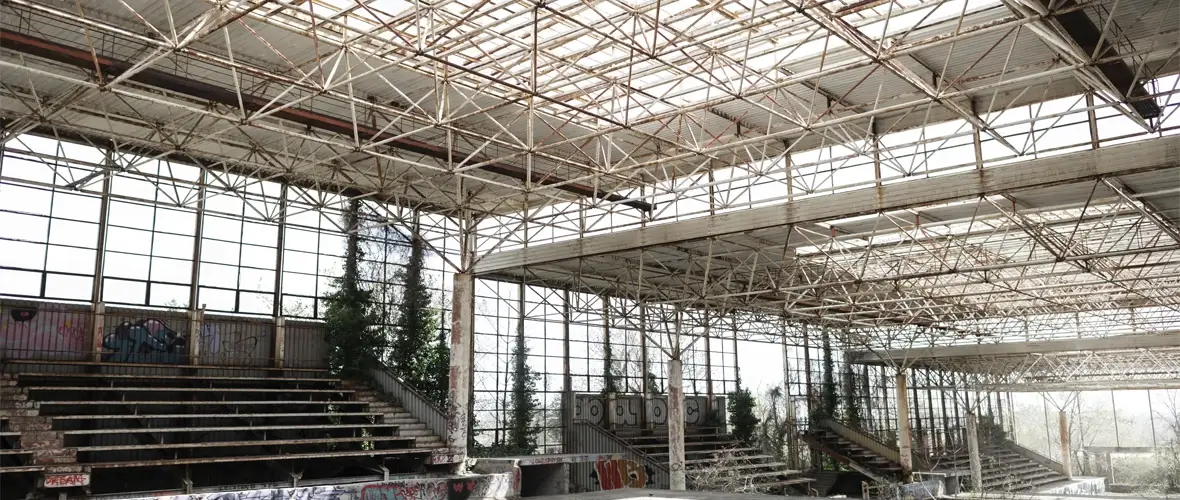
Custom Prefab Structures for Project-Specific Requirements
Every project presents unique infrastructure requirements. Standard building layouts may not always support operational efficiency.
Structural Customization
- Building dimensions
- Floor plans
- Internal layouts
- Expansion capability
Technical Customization
- Electrical systems
- HVAC provisions
- Communication infrastructure
- Insulation systems
Functional Customization
- Office areas
- Storage sections
- Operational zones
- Workforce facilities
Customization helps ensure that infrastructure aligns with practical business objectives rather than forcing operations to adapt to fixed layouts.
Applications of Prefab Structures Across Industries
Prefab structures are widely used because they support a broad range of operational requirements.
Manufacturing Industry
Production support infrastructure and operational facilities.
Warehousing and Logistics
Storage facilities and operational management infrastructure.
Construction Industry
Project management centers and workforce facilities.
Commercial Sector
Administrative buildings and customer-facing infrastructure.
Educational Institutions
Support facilities and operational buildings.
Healthcare Sector
Temporary and semi-permanent support infrastructure.
Government Projects
Administrative and operational facilities.
Businesses requiring container-based office infrastructure may also explore our Office Container Solutions:
Prefab Structure vs Prefabricated Cabin
Although both solutions use prefabrication principles, they serve different purposes.
A prefabricated cabin is typically designed as a compact standalone unit used for offices, workforce facilities, security operations, and project-specific applications.
A prefab structure generally refers to larger modular building systems that support broader infrastructure requirements such as industrial facilities, commercial buildings, warehouses, workforce accommodations, and operational infrastructure.
Organizations should select the solution based on scale, intended usage, and long-term operational requirements rather than terminology alone.
Benefits of Factory-Manufactured Construction
One of the primary advantages of prefab structures is the ability to manufacture major building components within a controlled production environment.
Key Advantages
- Improved project planning
- Faster deployment
- Reduced weather dependency
- Better manufacturing consistency
- Scalable construction approach
- Reduced on-site activity
This approach helps businesses accelerate infrastructure development while maintaining operational efficiency.
Industries Using Prefab Structures
Prefab structures are used across industries where organizations require scalable infrastructure, faster deployment, and flexible building solutions.
Manufacturing Industry
Manufacturing companies use prefab structures for production support facilities, operational offices, maintenance buildings, workforce infrastructure, and utility structures.
Warehousing and Logistics
Warehouses and logistics operators utilize prefab structures for storage facilities, dispatch offices, operational control centers, and workforce management areas.
Infrastructure Development
Road, railway, metro, utility, and industrial infrastructure projects often require rapidly deployable operational facilities.
Commercial Sector
Commercial organizations use prefab structures for business operations, customer support facilities, temporary offices, and expansion projects.
Education Sector
Educational institutions frequently use prefab structures for administrative buildings, training facilities, and support infrastructure.
Healthcare Sector
Hospitals and healthcare projects may require support facilities, temporary infrastructure, and operational buildings.
Government and Institutional Projects
Government projects often require modular facilities that can be deployed efficiently while maintaining operational functionality.

Key Technical Considerations Before Choosing a Prefab Structure
Selecting the right prefab structure requires evaluating operational needs, future growth plans, and project-specific requirements.
Intended Usage
A warehouse structure requires different design considerations compared to a commercial office or workforce facility.
Structural Requirements
Building dimensions, load requirements, occupancy levels, and intended activities should influence design decisions.
Environmental Conditions
Weather exposure, wind loads, temperature conditions, and site characteristics impact structural specifications.
Utility Requirements
Electrical systems, HVAC provisions, plumbing requirements, communication networks, and operational equipment should be planned during the design phase.
Expansion Potential
Organizations anticipating future growth should consider scalable designs that support expansion without significant reconstruction.
The most effective prefab structures are designed around operational objectives, occupancy requirements, and long-term business plans rather than simply maximizing available space.
How to Choose the Right Prefab Structure
A well-planned prefab structure improves operational efficiency, reduces future modifications, and supports long-term business objectives.
Define Operational Goals
Clearly identify how the building will be used and what activities it must support.
Estimate Future Requirements
Growth plans should be considered before finalizing dimensions and layouts.
Evaluate Site Conditions
Accessibility, terrain conditions, available infrastructure, and environmental factors influence structural design.
Prioritize Functional Design
Layouts should support workflows, workforce movement, equipment placement, and operational
Focus on Long-Term Value
Organizations should evaluate lifecycle performance rather than focusing solely on initial construction costs.
Common Mistakes Buyers Make When Purchasing Prefab Structures
Many buyers make decisions based primarily on budget without fully evaluating operational requirements.
Choosing Generic Layouts
Every project has unique functional requirements that should influence building design.
Underestimating Future Expansion
Businesses often overlook future growth requirements during the planning phase.
Ignoring Utility Planning
Electrical, communication, and environmental systems should be incorporated into the design from the beginning.
Comparing Price Instead of Value
The lowest-cost option may not deliver the operational performance required over the long term.
Not Considering Workflow Efficiency
Internal layouts should support daily operations, workforce movement, and productivity.
Prefab Structure vs PEB Building
Prefab structures and PEB buildings are often considered together, but they are not identical solutions.
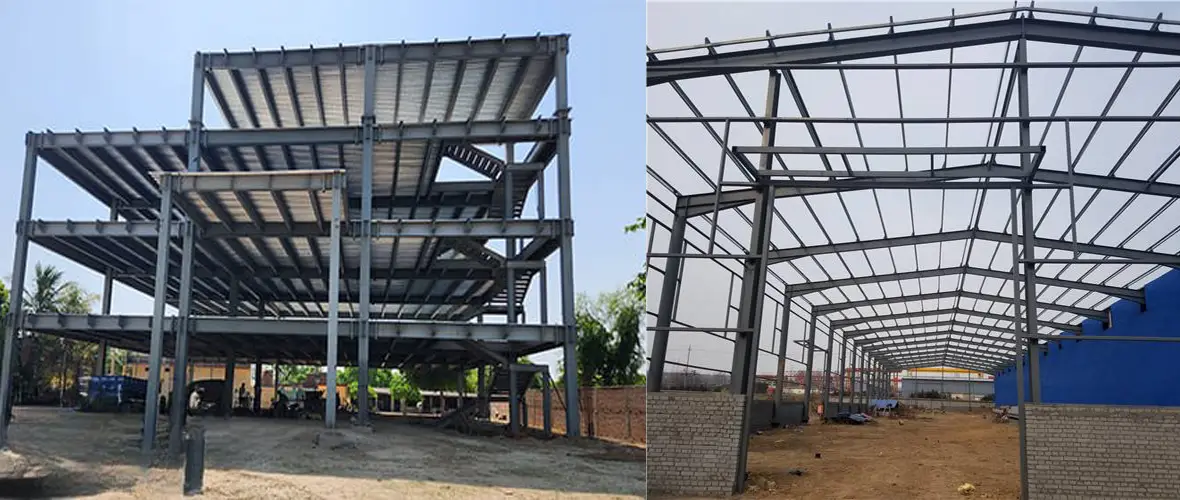
A prefab structure is a broader category that includes modular buildings, operational facilities, workforce infrastructure, commercial units, and industrial support buildings created using prefabricated construction methods.
A PEB building specifically refers to a pre-engineered steel building system where structural components are engineered and manufactured according to precise design calculations.
Organizations requiring flexible infrastructure solutions may choose prefab structures, while projects demanding large-span industrial or commercial steel buildings may be better suited for PEB buildings.
Prefab structures focus on modular construction flexibility, while PEB buildings emphasize engineered steel building systems designed for larger industrial and commercial applications.
When a Prefab Structure May Not Be the Ideal Solution
Although prefab structures provide numerous advantages, some projects may require alternative construction approaches.
Specialized Industrial Facilities
Certain manufacturing operations require highly customized infrastructure built around specific production processes.
High-Rise Developments
Multi-storey commercial and residential towers generally require specialized engineering systems.
Architecturally Complex Projects
Projects with unique architectural requirements may require alternative construction methods.
Selecting the correct construction approach depends on operational objectives, technical requirements, and long-term business goals.
Delivery and Installation Process
One of the major advantages of prefab structures is the ability to accelerate project execution.
Step 1: Requirement Analysis
Project objectives, dimensions, operational requirements, and customization needs are evaluated.
Step 2: Design and Engineering
Structural layouts, technical specifications, and operational requirements are finalized.
Step 3: Manufacturing
Building components are produced in a controlled manufacturing environment.
Step 4: Transportation
The manufactured components are delivered to the project location.
Step 5: Assembly and Installation
Components are assembled and installed according to approved engineering specifications.
Step 6: Utility Integration
Electrical, communication, HVAC, and operational systems are installed and tested.
This process helps businesses reduce construction timelines while improving project predictability.
Prefab Structure Pricing Factors Explained
Prefab structure pricing depends on several technical, structural, and operational factors.
Major Cost Influencers
- Building dimensions
- Structural design requirements
- Material specifications
- Insulation systems
- Utility integration
- HVAC provisions
- Interior requirements
- Transportation distance
- Installation complexity
- Customization level
Because every project has different objectives and specifications, pricing is typically determined after evaluating project requirements.
Why Businesses Choose Guru Nanak Porta Cabin
Guru Nanak Porta Cabin, formerly known as Guru Nanak Interiors and established in 2009, manufactures customized prefab structures designed to support practical business requirements.
Industry Experience
Supporting industrial, infrastructure, warehousing, logistics, commercial, and institutional projects.
Custom Manufacturing Capability
Solutions tailored according to operational requirements and project objectives.
Practical Design Approach
Infrastructure designed to support functionality, efficiency, and future scalability.
Diverse Project Applications
Experience across multiple industries and operational environments.
Pan India Supply Capability
Supplying prefab structure solutions from Greater Noida to projects throughout India.
To learn more about our company and manufacturing expertise, visit our About Us page:
Frequently Asked Questions
1. What is a prefab structure?
A prefab structure is a building system manufactured using prefabricated components that are produced off-site and assembled at the project location.
2. What are prefab structures commonly used for?
Prefab structures are used for industrial facilities, warehouses, commercial buildings, workforce infrastructure, administrative offices, and operational support facilities.
3. Can prefab structures be customized?
Yes. Dimensions, layouts, utility systems, insulation, interior configurations, and operational features can be customized.
4. What industries use prefab structures?
Manufacturing, warehousing, logistics, infrastructure, healthcare, education, government, and commercial sectors commonly use prefab structures.
5. What is the difference between a prefab structure and a prefabricated cabin?
Prefabricated cabins are generally compact standalone units, while prefab structures are larger modular building systems designed for broader infrastructure requirements.
6. What is the difference between a prefab structure and a PEB building?
Prefab structures focus on modular construction flexibility, while PEB buildings are engineered steel building systems designed for larger structural applications.
7. Can prefab structures be expanded in the future?
Many prefab structures are designed to support future expansion and operational growth.
8. Are insulated prefab structures available?
Yes. Insulation systems can be incorporated depending on climate conditions and operational requirements.
9. What factors influence prefab structure pricing?
Building dimensions, materials, utilities, customization requirements, transportation, and installation complexity affect pricing.
10. How long does prefab structure installation take?
Installation timelines depend on project size, engineering complexity, manufacturing schedules, and site readiness.
11. Are prefab structures suitable for long-term use?
Yes. Properly designed prefab structures can support long-term industrial, commercial, and institutional applications.
12. Why are businesses adopting prefab construction?
Businesses often adopt prefab construction because it can reduce project timelines, improve planning, and provide scalable infrastructure solutions.
Get a Customized Prefab Structure for Your Project
Whether you require a modular industrial facility, warehouse infrastructure, commercial building, operational support structure, workforce facility, or customized prefabricated building solution, Guru Nanak Porta Cabin can help you develop infrastructure aligned with your project objectives.
Manufactured in Greater Noida and supplied across India, our prefab structures are designed to support faster deployment, operational efficiency, and long-term business growth.
For project discussions, customization requirements, and quotations, please visit our Contact Us page:
Enquiry Now
-
What is the typical delivery timeline for prefab structures?
-
Can prefab structures be relocated after installation?
Yes, most prefab structures are designed for relocation. They can be dismantled and reassembled at a new site, making them ideal for projects with shifting locations. -
Can designs be expanded later?
Guru Nanak Interiors builds prefab structures allowing future expansions without major reconstruction.