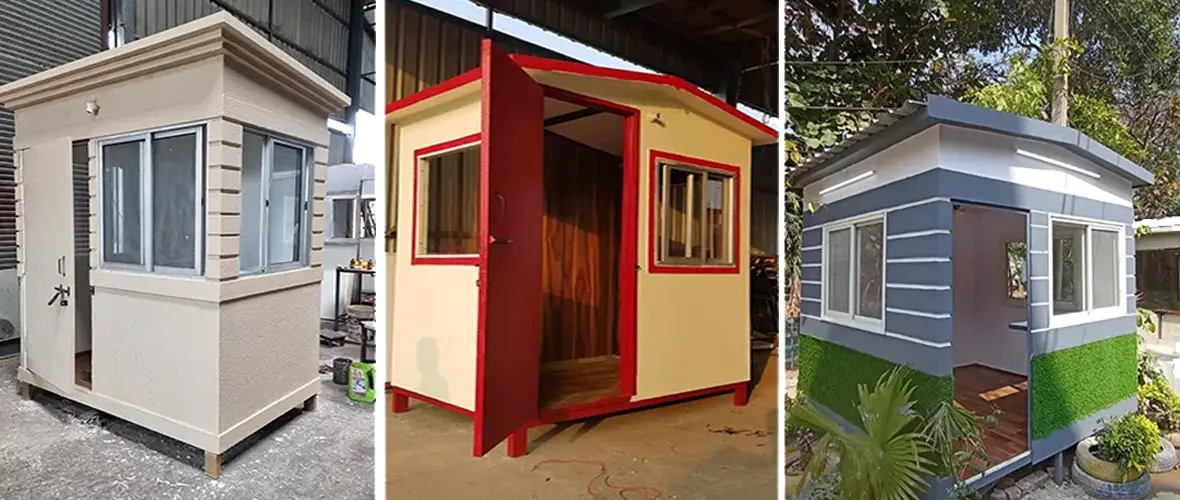

Most PEB sheds can be installed within weeks, depending on size and complexity. Since components are pre-fabricated, on-site work is minimal, allowing faster completion compared to traditional construction.
PEB Shed

PEB Shed
✔ Engineered Steel Shed Solutions for Industrial and Commercial Applications
✔ Large Clear Span Structures for Warehousing and Manufacturing Operations
✔ Custom PEB Sheds Designed for Long-Term Operational Efficiency
✔ Manufactured in Greater Noida with Pan India Project Support
Businesses involved in manufacturing, warehousing, logistics, and industrial operations often require large covered spaces that can be developed quickly while maintaining structural reliability. Traditional construction methods can increase project timelines, site complexities, and overall infrastructure costs.
A PEB Shed (Pre Engineered Building Shed) provides a practical solution by using engineered steel components that are designed, manufactured, and assembled according to project requirements. These sheds are widely used for storage facilities, production units, warehouses, logistics operations, industrial processing areas, and equipment protection.
PEB sheds have become a preferred infrastructure choice because they offer large usable spaces, faster installation, scalability, and operational flexibility. Their engineered design helps businesses create efficient working environments while supporting future expansion requirements.
Guru Nanak Porta Cabin (Formerly Known as Guru Nanak Interiors, Established in 2009) manufactures customized PEB shed solutions from Greater Noida and supports projects across India. Our solutions are designed to help businesses develop industrial infrastructure that aligns with operational demands and long-term growth plans.
Organizations looking for complete engineered building solutions may also explore our PEB Building Services:
What is a PEB Shed?
A PEB Shed is a pre-engineered steel structure designed primarily to create large covered operational spaces. The structural components are engineered, manufactured, and fabricated according to project specifications before being assembled at the installation site.
Unlike conventional shed construction, PEB sheds use optimized engineering calculations that improve material efficiency, structural performance, and project execution speed.
PEB sheds are commonly used for warehouses, manufacturing facilities, industrial storage, logistics hubs, workshops, fabrication units, agricultural facilities, and commercial operations.
PEB sheds are engineered steel structures designed to provide large covered spaces with optimized material usage, faster installation timelines, and flexibility for industrial and commercial applications.
Why Businesses Prefer PEB Sheds
Organizations increasingly choose PEB sheds because they help balance construction efficiency with operational functionality.
Faster Infrastructure Development
Manufactured structural components reduce construction timelines significantly.
Large Covered Areas
PEB sheds provide wide operational spaces with minimal internal obstructions.
Future Expansion Possibilities
Many PEB shed systems can be expanded according to changing business requirements.
Operational Efficiency
Large uninterrupted floor areas support workflow optimization and equipment movement.
Engineering Optimization
Structural systems are designed to improve efficiency while maintaining performance requirements.
Industrial PEB Sheds for Manufacturing Operations
Manufacturing facilities require infrastructure that supports machinery, workforce activities, production workflows, and material handling.
PEB sheds provide large operational spaces that help manufacturers improve efficiency while maintaining flexibility.
Common Manufacturing Applications
- Production facilities
- Fabrication workshops
- Processing units
- Assembly operations
- Equipment maintenance areas
- Material handling zones
Industrial PEB sheds help manufacturers create operational spaces that support machinery installation, workforce productivity, workflow efficiency, and future business expansion.

Warehouse PEB Sheds for Storage and Distribution
Warehousing is one of the most common applications of PEB shed construction.
The ability to create large clear-span spaces makes PEB sheds highly suitable for inventory management, distribution activities, and logistics operations.
Common Warehouse Applications
- Distribution centers
- Inventory storage
- Logistics hubs
- Fulfillment centers
- Dispatch facilities
Large open floor plans help businesses maximize storage capacity while supporting operational efficiency.
Commercial and Infrastructure Applications of PEB Sheds
PEB sheds are not limited to industrial environments.
Many commercial and infrastructure projects use engineered shed systems because they provide flexibility and long-term usability.
Common Applications
- Commercial storage
- Vehicle facilities
- Equipment storage
- Infrastructure support facilities
- Service centers
- Operational units
Their adaptability makes them suitable for a wide range of business requirements.
Custom PEB Shed Solutions for Project-Specific Requirements
Every project has different operational requirements, making customization an important part of infrastructure planning.
Structural Customization
- Width requirements
- Length requirements
- Height specifications
- Span requirements
Technical Customization
- Ventilation systems
- Insulation solutions
- Roofing systems
- Lighting provisions
Operational Customization
- Storage layouts
- Production zones
- Equipment areas
- Utility sections
Customized designs help ensure that infrastructure supports both current operations and future growth.
Applications of PEB Sheds Across Industries
PEB sheds support a broad range of industries because of their flexibility and operational advantages.
Manufacturing Industry
Production facilities and operational infrastructure.
Warehousing and Logistics
Storage facilities and distribution centers.
Engineering and Fabrication
Workshops and fabrication units.
Agriculture Industry
Storage facilities and agricultural processing infrastructure.
Infrastructure Development
Equipment storage and operational facilities.
Commercial Sector
Service centers and operational support buildings.
Transportation Sector
Vehicle facilities and maintenance infrastructure.
Businesses requiring large-scale industrial infrastructure may also explore our Industrial Shed Solutions:

PEB Shed vs Industrial Shed
Although the terms are sometimes used interchangeably, they do not always refer to the same type of infrastructure.
A PEB shed specifically refers to a shed constructed using pre-engineered steel building technology where structural components are engineered and manufactured according to project requirements.
An industrial shed is a broader category that may be constructed using different structural systems, materials, and construction methods depending on project objectives.
PEB sheds represent one of the most efficient approaches to industrial shed development because of their engineering optimization and faster execution capabilities.
PEB sheds refer to engineered steel shed systems, while industrial sheds represent a broader infrastructure category that can be developed using multiple construction approaches.
Key Benefits of Pre Engineered Shed Construction
Large Clear Span Design
Supports efficient movement of people, equipment, and materials.
Faster Installation
Manufactured components simplify project execution.
Structural Reliability
Engineered systems are designed according to project requirements.
Expansion Flexibility
Future modifications can often be accommodated more efficiently.
Operational Efficiency
Wide usable spaces support productivity and workflow optimization.
Industries Using PEB Sheds
PEB sheds are used across multiple industries because they provide large covered spaces, operational flexibility, and efficient infrastructure development.
Manufacturing Industry
Manufacturing companies use PEB sheds for production operations, assembly units, fabrication facilities, and equipment housing.
Warehousing and Logistics
Storage facilities, distribution centers, inventory management hubs, and dispatch operations commonly utilize PEB shed infrastructure.
Engineering and Fabrication Sector
Fabrication workshops, machine shops, and industrial processing facilities frequently operate from PEB sheds.
Agriculture and Food Processing
Agricultural storage facilities, packaging units, processing centers, and equipment shelters often use engineered shed systems.
Infrastructure Projects
Construction companies and infrastructure developers require PEB sheds for material storage, equipment protection, and operational support facilities.
Commercial Operations
Commercial organizations use PEB sheds for storage, service centers, maintenance facilities, and operational infrastructure.
Transportation and Fleet Management
Fleet operators often require covered facilities for vehicle parking, maintenance, servicing, and operational management.

Key Technical Considerations Before Choosing a PEB Shed
Selecting the right PEB shed requires evaluating operational needs, structural requirements, and future growth objectives.
Intended Usage
The structural requirements of a warehouse differ significantly from those of a production facility or fabrication workshop.
Span Requirements
Large clear spans help maximize usable floor space while supporting equipment movement and operational efficiency.
Height Requirements
Building height should accommodate machinery, storage systems, vehicles, or operational activities.
Ventilation Requirements
Proper ventilation improves workforce comfort and supports operational efficiency.
Future Expansion Capability
Businesses planning future growth should evaluate shed systems that support extension and expansion.
The most effective PEB sheds are designed around workflow requirements, storage needs, equipment movement, and long-term operational objectives rather than only focusing on dimensions.
How to Choose the Right PEB Shed
A well-planned PEB shed can improve productivity, operational efficiency, and future scalability.
Define Operational Objectives
Clearly identify the activities that will be performed within the shed.
Evaluate Space Requirements
Storage needs, equipment placement, workforce movement, and operational processes should influence design decisions.
Consider Future Business Growth
Expansion requirements should be incorporated into the planning stage whenever possible.
Review Technical Specifications
Ventilation, insulation, roofing systems, electrical requirements, and operational infrastructure should be considered.
Prioritize Long-Term Value
Operational performance and future adaptability often provide greater value than selecting the lowest-cost option.
Common Mistakes Buyers Make When Purchasing PEB Sheds
Many infrastructure challenges occur because businesses focus only on construction costs without evaluating operational requirements.
Selecting Incorrect Dimensions
Building size should be based on operational workflows and future requirements.
Ignoring Future Expansion Plans
Businesses frequently underestimate future growth requirements.
Overlooking Ventilation Requirements
Poor ventilation planning can impact workforce comfort and operational efficiency.
Comparing Price Instead of Functionality
The cheapest solution may not support operational objectives effectively.
Not Planning Utility Infrastructure
Electrical systems, lighting, equipment integration, and operational support systems should be planned early.
When a PEB Shed May Not Be the Ideal Solution
Although PEB sheds provide numerous advantages, some projects may require alternative building approaches.
Multi-Storey Commercial Buildings
High-rise commercial developments generally require different structural systems.
Architecturally Complex Structures
Projects with highly specialized architectural requirements may require alternative construction methods.
Specialized Process Facilities
Certain industrial operations require infrastructure built around highly customized production processes.
Selecting the correct construction solution depends on project objectives, operational requirements, and long-term infrastructure plans.
Delivery and Installation Process
One of the major benefits of PEB sheds is the ability to accelerate infrastructure development.
Step 1: Requirement Assessment
Operational objectives, dimensions, span requirements, and customization needs are evaluated.
Step 2: Engineering and Design
Structural calculations and technical specifications are finalized.
Step 3: Manufacturing
Components are manufactured in a controlled production environment.
Step 4: Transportation
Structural components are delivered to the project location.
Step 5: Assembly and Erection
The structural framework is assembled according to engineering specifications.
Step 6: Utility Integration
Electrical systems, lighting, ventilation, and operational infrastructure are installed and tested.
This process improves project predictability while reducing construction timelines.
PEB Shed Pricing Factors Explained
PEB shed pricing varies depending on project-specific requirements and technical specifications.
Major Cost Factors
- Shed dimensions
- Span requirements
- Structural design complexity
- Material specifications
- Roofing systems
- Insulation requirements
- Ventilation systems
- Utility integration
- Transportation distance
- Installation complexity
Because each project has unique requirements, accurate pricing is generally determined after evaluating operational and technical specifications.
Why Businesses Choose Guru Nanak Porta Cabin
Guru Nanak Porta Cabin, formerly known as Guru Nanak Interiors and established in 2009, manufactures customized PEB shed solutions designed around practical industrial and commercial requirements.
Manufacturing Experience
Supporting projects across manufacturing, warehousing, logistics, infrastructure, and commercial sectors.
Project-Specific Customization
PEB sheds designed according to operational requirements rather than fixed standard designs.
Practical Infrastructure Solutions
Structures developed to support productivity, workflow efficiency, and future expansion.
Diverse Industry Experience
Serving manufacturers, warehouse operators, infrastructure developers, logistics companies, and commercial organizations.
Pan India Supply Capability
Supplying customized PEB shed solutions from Greater Noida to projects throughout India.
To learn more about our company, manufacturing expertise, and project capabilities, visit our About Us page:
Frequently Asked Questions
1. What is a PEB shed?
A PEB shed is a pre-engineered steel structure designed and manufactured according to project-specific engineering calculations before being assembled at the installation site.
2. What industries commonly use PEB sheds?
Manufacturing, warehousing, logistics, engineering, agriculture, infrastructure, transportation, and commercial sectors frequently use PEB sheds.
3. What are the advantages of a PEB shed?
PEB sheds offer faster construction, large clear spans, expansion flexibility, structural efficiency, and improved project planning.
4. What is the difference between a PEB shed and an industrial shed?
A PEB shed specifically uses engineered steel building technology, while industrial sheds may be constructed using various structural systems and materials.
5. Can PEB sheds be customized?
Yes. Dimensions, spans, roofing systems, insulation, ventilation, and operational layouts can be customized according to project requirements.
6. Are PEB sheds suitable for warehouses?
Yes. Warehousing is one of the most common applications because PEB sheds provide large unobstructed storage spaces.
7. Can PEB sheds support manufacturing operations?
Yes. Manufacturing facilities frequently use PEB sheds for production, fabrication, assembly, and processing activities.
8. Are insulated PEB sheds available?
Yes. Insulation systems can be incorporated based on environmental conditions and operational needs.
9. Can PEB sheds be expanded in the future?
Many PEB shed systems are designed to support future expansion and business growth.
10. What affects PEB shed pricing?
Dimensions, structural requirements, materials, insulation, ventilation, transportation, and installation complexity influence pricing.
11. How long does installation take?
Installation timelines depend on project size, engineering complexity, manufacturing schedules, and site readiness.
12. Why are businesses choosing PEB shed construction?
Businesses often choose PEB sheds because they provide efficient infrastructure development, operational flexibility, and scalable industrial space.
Get a Customized PEB Shed for Your Project
Whether you require a warehouse shed, manufacturing facility, logistics infrastructure, industrial storage building, fabrication workshop, or customized engineered steel shed solution, Guru Nanak Porta Cabin can help you develop infrastructure aligned with your operational requirements.
Manufactured in Greater Noida and supplied across India, our PEB shed solutions are designed to support faster project execution, efficient space utilization, and long-term operational performance.
For project discussions, customization requirements, and quotations, please visit our Contact Us page:
Enquiry Now
-
How fast can a PEB shed be installed?
-
Can the shed be expanded later?
Yes, modular design allows future expansion. Additional bays can be added without dismantling the existing structure, making it ideal for growing businesses. -
Is it suitable for heavy machinery?
Yes, industrial PEB sheds can be designed to support cranes, heavy equipment, and high-load operations. Load specifications must be defined during design.